Liuqin Signature Pieces: A Listening Guide from 'Spring Comes to the Yi River' to Contemporary Solos
How did the liuqin rise from opera accompaniment to a solo instrument? Explore its signature pieces and listening tips, from 'Spring Comes to the Yi River' to contemporar
From Accompaniment to Solo: The Historical Arc of Liuqin Repertoire
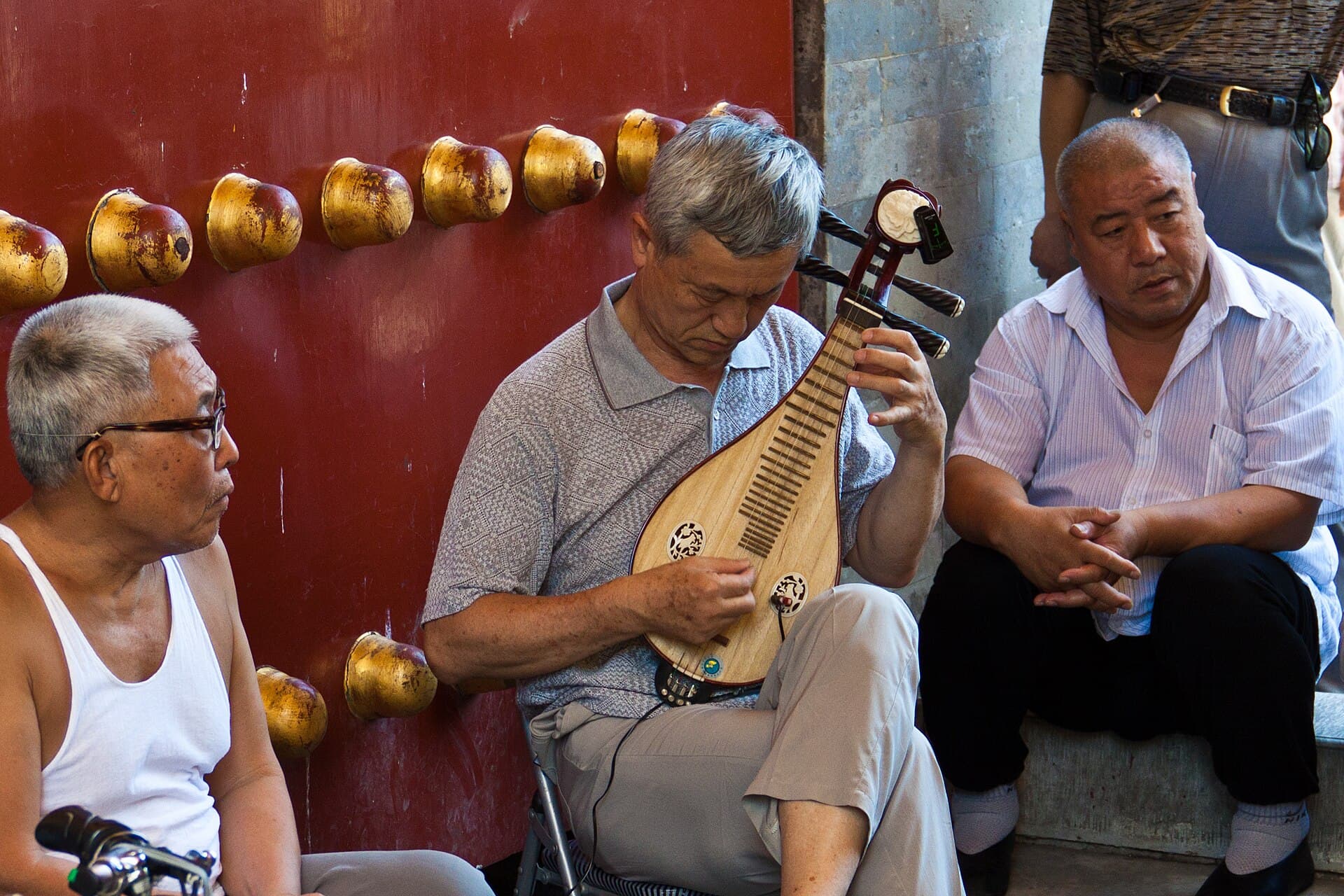
The repertoire history of the liuqin is a history of 'status elevation.' For a long time, the liuqin served as an accompanying instrument in local operas such as Liuqin Opera and Sizhou Opera, and in folk ensembles like Changzhou silk-string music, without solo pieces of its own. In 1958, Wang Huiran standardized the instrument, defining it as a three- or four-string high-pitched liuqin with 24 to 29 frets arranged in twelve-tone equal temperament and played with a pick. This reform laid the material foundation for its solo career. In the 1970s, the second-generation four-string high-pitched liuqin appeared, replacing silk strings with steel and sorghum-stalk frets with bamboo, greatly expanding its range and expressiveness. The liuqin thus ended over two centuries as an accompaniment instrument and stepped onto the solo stage. Since the 1980s, it has become the designated high-pitched instrument in Chinese orchestras, and solo and concerto works written specifically for it have emerged. Consequently, most of the signature pieces we hear today were created in the last half-century, carrying the DNA of opera music while displaying contemporary creative vitality.
Core Repertoire: Works Worth Repeated Listening
The solo repertoire for liuqin is not vast, but several works have become staples in concerts and teaching. 'Spring Comes to the Yi River' by Wang Huiran is one of the pioneering solo pieces, drawing on folk songs and Liuqin Opera tunes from the Yi River region of Shandong. Its bright, flowing melodies showcase the instrument's crisp timbre. His 'Happy Canal' also draws on folk idioms, depicting pastoral scenes through rhythmic and dynamic contrasts. The liuqin concerto 'Bizika Celebration' was inspired by Tujia music and employs a rich array of techniques, making it an important work for liuqin and orchestra. There are also transcriptions, such as 'Dance of the Yi People' adapted from a pipa piece, which takes on a distinct high-register color on the liuqin. Most of these works have clear structures and strong melodies, making them suitable entry points for beginners. It is worth noting that the repertoire is still expanding, with contemporary composers injecting new idioms, so listeners need not limit themselves to the above works and may seek out premieres and recordings of new pieces.
Listening Guide: Grasping the Musical Characteristics of the Liuqin
When listening to the liuqin, first grasp its 'high-pitched penetration.' Its range is much higher than that of the pipa or ruan, and its sound is crisp and bright, easily cutting through an ensemble. In solo playing, this high register produces a crystalline texture, especially in fast passages where the articulation is sharply defined. Second, pay attention to the 'pick language.' Unlike the pipa's fingerpicks, the liuqin uses a plectrum, and the angle and force of contact directly affect timbre: playing near the bridge yields a harder tone, while playing nearer the fingerboard is softer. Listen for how performers shape the breath of phrases through pick position and right-hand technique. Third, note the instrument's roots in opera music. Many liuqin pieces carry the inflections and rhythmic traits of Liuqin Opera—frequent portamenti, ornaments, and lively rhythmic patterns—which are often the source of its charm. Finally, in a Chinese orchestra the liuqin often takes the high melodic line; in tutti passages, try to pick out its sound and appreciate how it adds a glinting edge to the ensemble.
Recordings and Live Performance: Practical Listening Advice
For beginners, start with recordings of solo pieces such as the clearly structured 'Spring Comes to the Yi River' or 'Happy Canal' to grasp the liuqin's basic timbre and phrasing. Notice subtle differences among performers in tempo, dynamics, and ornaments, which often reflect different interpretations of style. When listening to concertos, focus on the dialogue between soloist and orchestra, and how the liuqin's high register weaves through the texture. In live performance, sit relatively close to catch the details of pick contact, and observe the player's posture and right-hand motion to understand the instrument's sound production. The liuqin also appears in small ensembles, such as with dizi or erhu; listening to such chamber music reveals how it blends and contrasts within the ensemble. Keep in mind that recordings of the liuqin are relatively few, so do not insist on a 'definitive version'; listening to multiple interpreters will give you a more rounded understanding of the instrument.
Questions
What are the must-hear solo pieces for liuqin?
Wang Huiran's 'Spring Comes to the Yi River' and 'Happy Canal' are classics of the liuqin solo repertoire, with memorable melodies and rich techniques, ideal for beginners. The concerto 'Bizika Celebration' is also worth hearing.
How can I distinguish the timbre of the liuqin from the pipa?
The liuqin has a higher range, with a crisper, brighter, and more sharply articulated sound; the pipa has a lower range, a rounder tone, and is played with fingerpicks rather than a plectrum.
What performance details should I listen for in liuqin music?
Listen for timbral changes from pick position and angle, operatic inflections such as portamenti and ornaments, and the contrast between the liuqin and other instruments in ensemble.
Source: 柳琴