Sheng Virtuosos and Their Lineage: From Folk Masters to Conservatory Traditions
Explore the lineage of sheng performers, from folk ensembles to conservatory traditions, and discover how to listen to their art.
Where the Sheng Lineage Begins: Folk and Conservatory Roots
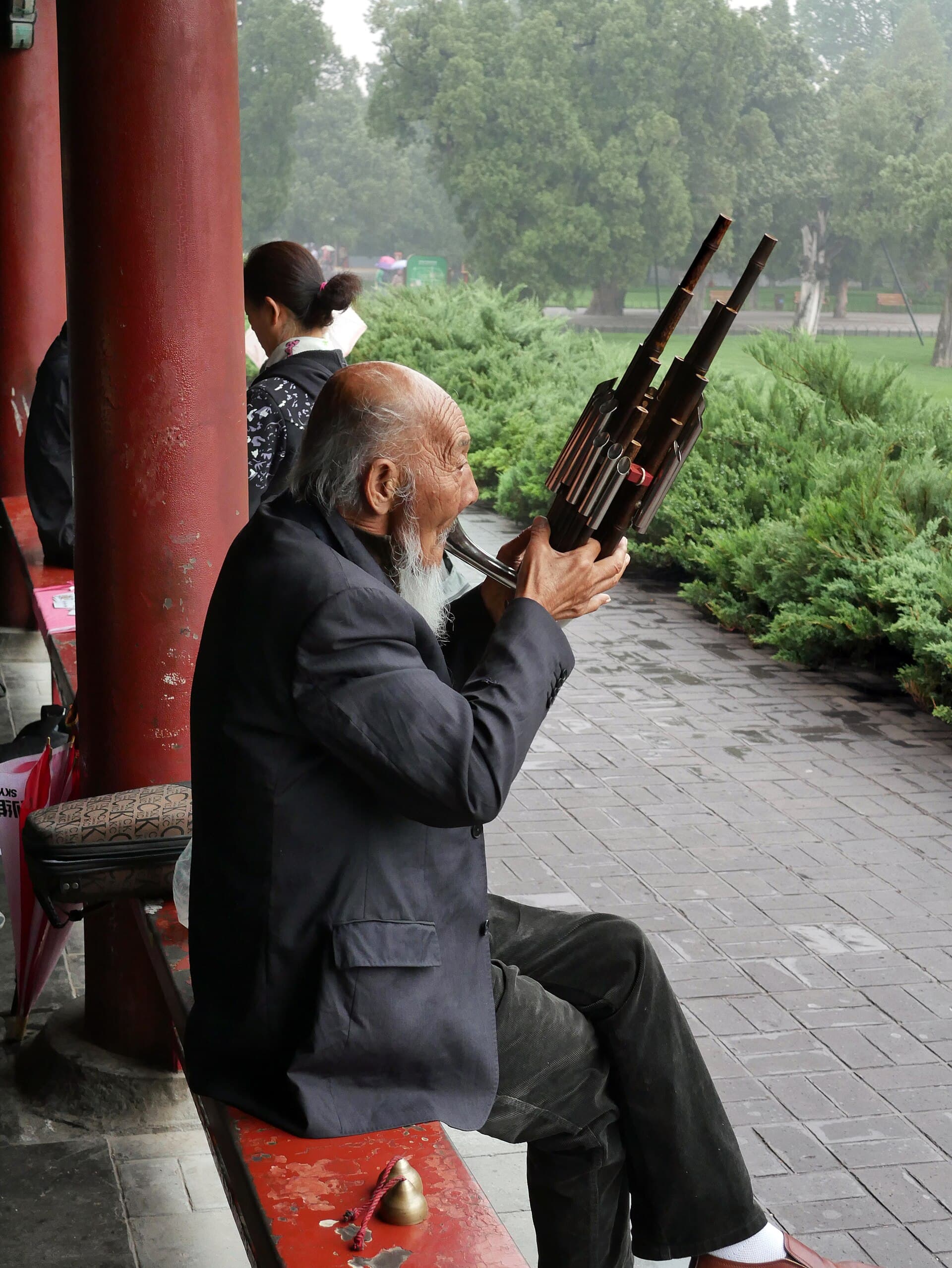
The transmission of the sheng is not a single line. In traditional society, the instrument was mainly embedded in folk ensembles, opera accompaniment, and temple music, with skills passed down orally between master and disciple. Musicians often played multiple instruments, and sheng technique was dispersed across ensemble practice. Since the twentieth century, with the establishment of professional music education, the sheng entered conservatory classrooms, forming a pedagogical lineage centered on music academies. These two threads are not mutually exclusive but interpenetrate: conservatory education absorbs folk techniques, while folk ensembles are also influenced by academic norms. To understand sheng performers and their lineage, one must see both threads to grasp its richness.
Focus: Notable Performers and Their Pedagogical Lineage
The lineage of modern sheng performers can be traced roughly to several key figures of the mid-twentieth century. Some came from folk ensembles, others entered professional institutions, and together they laid the foundation for contemporary sheng playing. In the north, some performers excelled in traditional sheng pieces and opera accompaniment, with a plain style that emphasized harmonic blending; in the south, others devoted themselves to exploring the sheng as a solo instrument, attempting to transform folk idioms into stage art. After the establishment of the conservatory system, pedagogical relationships gradually became clear: the first generation of conservatory teachers mostly transitioned from folk musicians or early professional performers; they systematized techniques, compiled teaching materials, and trained the second generation. The second generation received systematic training in conservatories while also learning from folk musicians through fieldwork and recordings, forming a two-way nourishment between academy and folk. The third generation has expanded the sheng's boundaries through international exchange and commissions of modern works. It should be noted that specific names and lineage details should be based on reliable sources; this article only outlines the framework and does not fabricate specific relationships.
Regional Styles and Individual Profiles of Performers
The playing style of the sheng is closely tied to regional culture. Northern sheng music is often combined with wind-and-percussion ensembles and opera accompaniment, emphasizing full volume and thick harmony; performers often serve as a 'binding agent' in ensembles, focusing on stable intonation and rhythm. Southern sheng music is more delicate; in Jiangnan silk-and-bamboo and Kunqu accompaniment, the sheng's timbre is required to be round and restrained, avoiding excessive display. This regional difference shapes performers' individual profiles: some are known for deep grounding in traditional ensemble playing, some for solo arrangements, and others for premiering and promoting modern works. In the conservatory system, teachers often combine the strengths of north and south, but personal style remains identifiable. For listeners, paying attention to a performer's different approaches in ensemble and solo contexts is an important way to understand their artistic personality.
Transmission of Technique and the Building of Teaching Materials
The transmission of sheng technique relies not only on oral instruction but also on the compilation of teaching materials and scores. In the latter half of the twentieth century, conservatory teachers began systematically documenting traditional sheng fingering, breath control, and harmonic usage, compiling etudes and tutorials, gradually standardizing teaching. These materials transmit technique but also embed aesthetic orientations: for example, the emphasis on harmonic balance and breath control reflects the conservatory's positioning of the sheng. At the same time, the unique techniques of folk musicians have been preserved through field recordings, some of which have been absorbed into teaching materials. The building of teaching materials also raises an issue: standardization may weaken the diversity of regional styles, so contemporary teaching increasingly values guiding students to encounter different schools. For learners, when choosing materials, attention should be paid to the lineage behind them; for listeners, understanding the teaching system helps comprehend the technical sources of performers.
How to Listen Today: From Ensemble Context to Solo Personality
Listening to sheng performers and their lineage can start from several levels. First, identify the sheng's role in ensembles: in wind-and-percussion music or opera accompaniment, the sheng often does not stand out with melody but provides harmonic support and timbral blending; listeners can focus on its intonational stability and fit with other instruments. Second, in solo playing, pay attention to the performer's individual treatment: arrangements of traditional pieces often reflect the performer's understanding of folk material, while modern works test their control of new techniques and timbral changes. Third, compare how performers from different regions or lineages handle the same piece, noting differences in breath, ornamentation, and harmonic configuration. Finally, notice the performer's involvement in teaching, fieldwork, or instrument modification, as these activities are often related to their artistic philosophy. Listening need not seek a 'standard answer'; rather, build your own auditory judgment through comparison.
Questions
What are the well-known pedagogical lineages of sheng performers?
Modern sheng lineage roughly divides into folk oral transmission and conservatory education. After the conservatory system was established, the first generation of teachers mostly transitioned from folk musicians; their second-generation students studied systematically in conservatories while absorbing folk techniques through fieldwork, forming a two-way lineage. Specific relationships should be checked in reliable sources.
How do northern and southern sheng playing styles differ?
Northern sheng music is often combined with wind-and-percussion and opera accompaniment, with a full, thick style emphasizing stable intonation and rhythm; southern sheng music is more delicate and restrained in Jiangnan silk-and-bamboo and Kunqu accompaniment, requiring a round timbre. This difference shapes performers' profiles; conservatory teachers often combine strengths of both.
How can one distinguish the personal styles of different sheng performers?
Compare aspects such as role handling in ensembles, arrangement approaches in solo pieces, use of breath and ornamentation, and preferences in harmonic configuration. Differences in how performers handle the same piece often reflect their lineage and regional style. Listening to multiple versions helps build your own auditory judgment.
Source: 笙