Sheng Signature Pieces and Listening Guide: From Traditional Harmony to Modern Solo
Discover the sheng's signature pieces, from traditional ensemble music to modern solos, with a practical listening guide for enthusiasts and beginners.
Where Sheng Repertoire Comes From: Traditional Ensembles and Solo Traditions
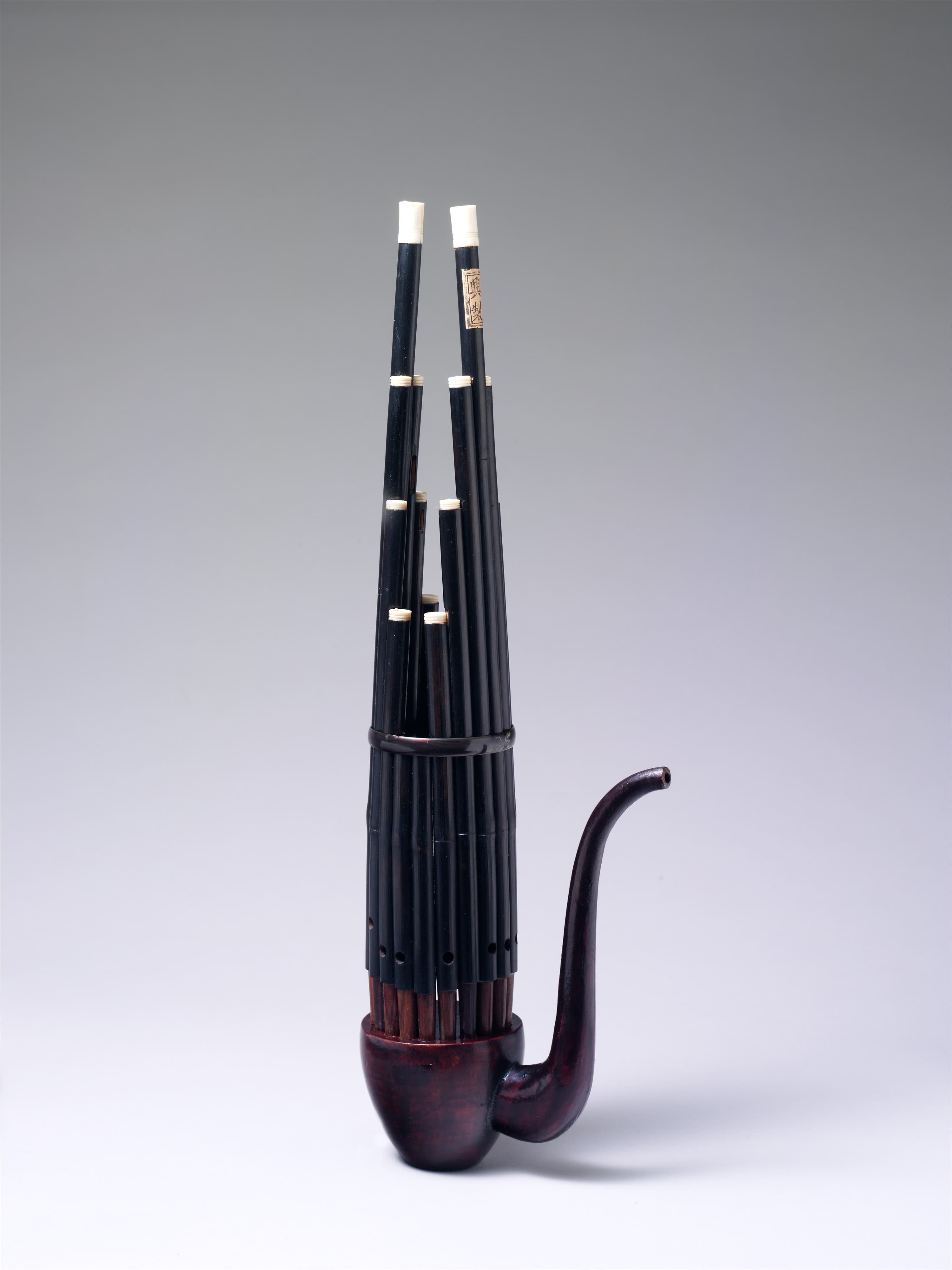
The sheng's repertoire is closely tied to its role in ensembles. Historically, the sheng served as an accompaniment and ensemble instrument, supporting melody and harmony in kunqu, northern wind-and-percussion ensembles, and folk small ensembles. Thus, the sheng's 'signature pieces' first existed in these ensemble contexts, such as the sheng part in wind-and-percussion music, the sheng's supporting role in kunqu accompaniment, and its participation in genres like Jiangnan sizhu. Since the mid-20th century, with the establishment of the modern Chinese orchestra and the development of solo forms, the sheng gradually emerged as an independent solo instrument, and solo and concerto works were composed for it. This shift expanded the sheng's repertoire from ensemble parts to independent solo works with artistic expression. Understanding this context helps listeners appreciate that the sheng's repertoire includes both classic ensemble parts and modern solo compositions, together forming the sheng's musical landscape.
Sheng in Traditional Ensembles: Repertoire Types and Listening Points
In traditional ensembles, the sheng's repertoire is often tied to specific genres. In northern wind-and-percussion music (such as Hebei chuige or Shanxi badatao), the sheng part often supports the main melody of suona or dizi with harmony; when listening, notice how the sheng fills the mid-range with simple intervals to enrich the overall sound. In kunqu accompaniment, the sheng, along with dizi and sanxian, supports the vocal line; listen for the sheng's interjections and embellishments between phrases to appreciate its supportive role. In Jiangnan sizhu, the sheng is not a fixed member, but appears in some ensembles; listen for its timbral blend with other instruments. Additionally, the lusheng music of southwestern ethnic minorities, though related to the sheng, has developed its own repertoire; it can serve as a reference for understanding the diversity of free-reed instruments. Overall, listening to sheng in traditional ensembles focuses on its art of accompaniment—unassuming yet essential for support and color.
Modern Sheng Solo Repertoire: From Arrangements to Original Works
Modern sheng solo repertoire can be roughly divided into arrangements and original works. Arrangements are often adapted from folk tunes, ancient pieces, or other instrumental music, such as 'Phoenix Spreading Wings' and other traditional-style works, which retain strong folk flavor while showcasing the sheng's harmonic and melodic capabilities. Original works, mostly composed since the latter half of the 20th century, such as 'Peacock Displaying Its Tail,' often explore modern techniques like rapid tonguing, multi-voice harmony, and new idioms blending with traditional styles. When listening to modern sheng pieces, focus on several aspects: first, the use of harmony—how the free-reed characteristics build rich or transparent textures; second, melodic line—though the sheng can play harmony, its singing quality in solo is equally important; third, the balance between technique and musicality, avoiding mere showmanship. Additionally, some concertos display dialogue between sheng and orchestra; listen for the sheng's timbral projection and blend against the ensemble.
Listening Guide: Grasping the Sheng's Unique Idiom
For beginners, listening to sheng music can start from three aspects. First, identify the timbre: the sheng's sound combines the metallic quality of reeds with the softness of bamboo pipes; notice the balance between 'reediness' and 'pipeiness,' and the continuity enabled by both blowing and drawing. Second, focus on harmony and multiple voices: the sheng is one of the few traditional wind instruments that can easily play chords; listen for chord usage, voice leading, and how harmony creates atmosphere or drives the music. Third, understand the context: the same piece may be listened to differently in ensemble versus solo. In ensemble, listen for blend and support; in solo, for personality and expression. Start with short, melodic traditional-style pieces, then move to more complex modern works. Don't strive to 'understand' every note; instead, feel the sheng's sound and emotional character. Listening to sheng in various settings—ensemble, solo, accompaniment—will give a fuller picture of the instrument's artistry.
From Repertoire to Recordings: Building Your Listening Path
After gaining some listening experience, you can build a personal listening path. First, listen chronologically: from traditional ensemble pieces (such as wind-and-percussion music or kunqu accompaniment) to modern solo works, sensing the evolution of the sheng's role. Second, listen by style: compare traditional-style arrangements with modern originals, noting changes in musical language. Third, listen by performance format: solo, concerto, ensemble, accompaniment—each highlights different expressive aspects. There are many sheng recordings available, including solo albums and ensemble collections; choose according to your interest and listening stage. For beginners, select albums with classic repertoire and good sound quality, avoiding overly avant-garde or experimental works. As you progress, explore different performers' interpretations of the same piece to appreciate the sheng's artistry in finer detail. Remember, listening is a gradual process; let your ears become familiar with the sheng's language over time.
Questions
What are some famous sheng solo pieces?
Sheng solo repertoire includes traditional-style arrangements like 'Phoenix Spreading Wings' and modern originals such as 'Peacock Displaying Its Tail,' as well as concertos and virtuosic pieces.
How to appreciate the sheng's sound in ensemble?
In ensembles, the sheng often provides harmonic filling and melodic support; listen for how its timbre blends with other instruments and how it enriches the overall sound with simple intervals.
Which sheng pieces should beginners start with?
Start with short, melodic traditional-style pieces like 'Phoenix Spreading Wings,' then gradually move to modern solos; also listen to sheng parts in ensembles to familiarize yourself with its timbre.
Source: 笙