Xiao Masters and Lineage: From Peng Zhiqing to Contemporary Qin-Xiao Tradition
Explore the lineage of xiao players from Peng Zhiqing's eight-hole qin-xiao to modern masters like Sun Yude, Chen Zhong, and Zhang Weiliang, with listening tips.
1. Where the Lineage Begins: Literati Qin-Xiao and Folk Xiao Traditions
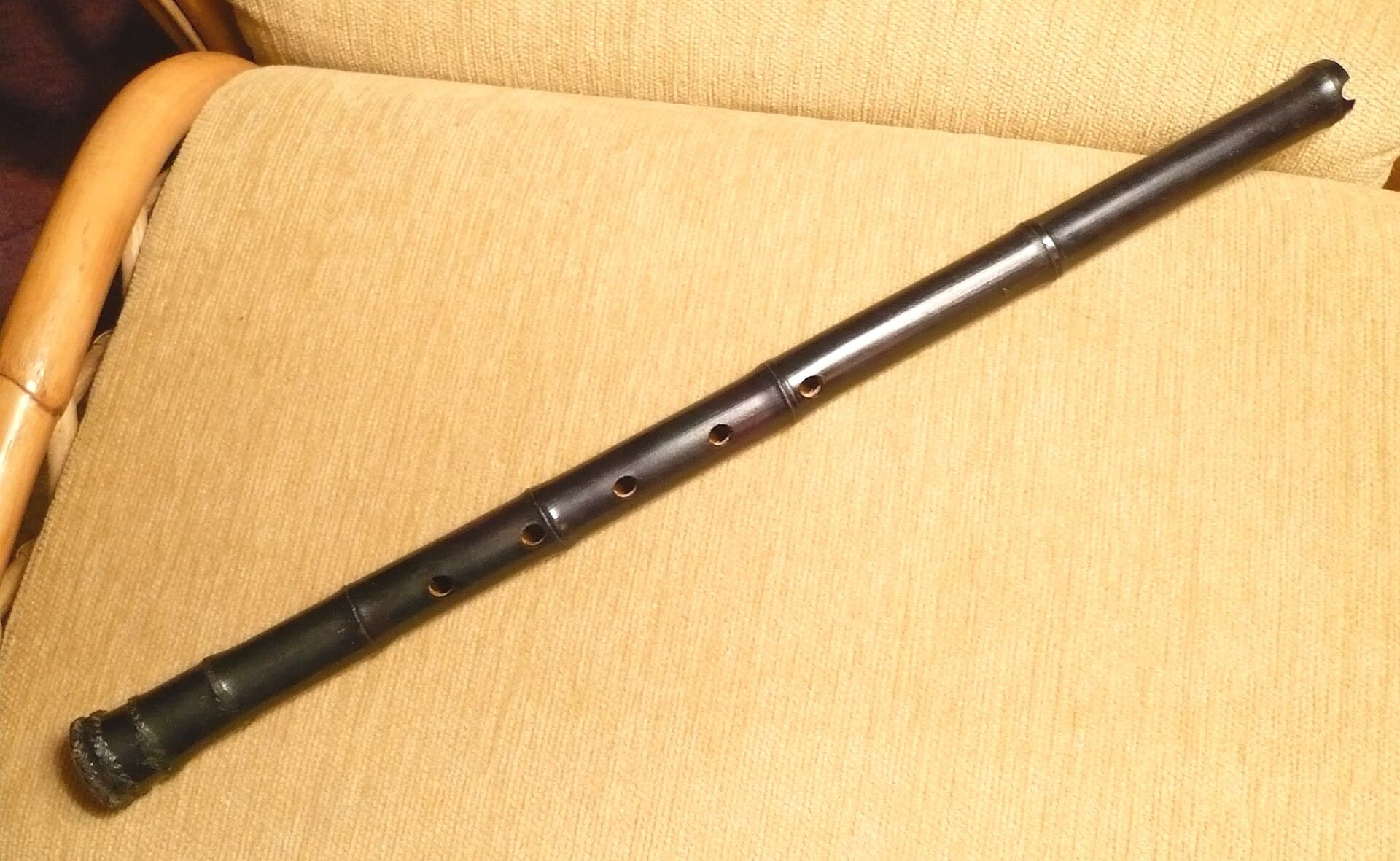
The performance lineage of the xiao is not a single thread but an interweaving of two roots. One is the literati qin-xiao tradition: the pairing of guqin and xiao is ancient, but it was not until the twentieth century that Peng Zhiqing published "Illustrated Explanation of the Newly Made Ya-Xiao" in the journal Jinyu Qin Kan, creating an eight-hole qin-xiao that improved intonation and volume for ensemble with the qin. This reform laid the foundation for the modern eight-hole xiao and moved qin-xiao duet from improvised rapport toward a practice with scores to follow. The other root is the folk xiao tradition: the xiao in Nanyin, in Jiangnan sizhu, and in various regional ensembles, mostly transmitted orally by folk musicians who prize timbre and flavor over standardized method books. These two roots gradually merged into conservatory education in the late twentieth century, forming the lineage visible today.
2. Peng Zhiqing and the Qin-Xiao Reform: A Turning Point
Peng Zhiqing was a key figure in modern qin studies, and his contribution was to pull the xiao away from the condition of "tuning by feel" in ensemble. The traditional six-hole xiao had evenly spaced finger holes, making transposition inconvenient; Peng's eight-hole ya-xiao placed holes according to twelve-tone equal temperament, allowing the xiao to play stably with the qin and other instruments. This reform was not only about the instrument; it changed how the tradition was transmitted. With fixed intonation, xiao teaching could become more systematic, and qin-xiao duet could be replicated. Today's eight-hole xiao continues to evolve in form, but its basic logic can still be traced to Peng Zhiqing. Understanding this explains why modern xiao lineage narratives often begin with the qin-xiao reform.
3. Twentieth-Century Masters: Sun Yude, Chen Zhong, and Their Lineages
In the mid-twentieth century, xiao performance gradually moved from literati gatherings and folk music societies to the stage and the classroom. Sun Yude was an important figure in Jiangnan sizhu and xiao-di performance; his xiao playing emphasized steady breath and round timbre, embodying the aesthetic of Jiangnan sizhu, and he influenced later students through teaching. Chen Zhong was another key figure, accomplished in both performance and pedagogy, who valued the preservation of traditional flavor while participating in professional music education, bringing the xiao into the conservatory system. The common trait of this generation is that they were familiar with the improvised context of folk ensemble while beginning to face the standardized demands of the modern stage and recording. Their lineages were not necessarily strict "schools" but rather networks centered on qin societies, music clubs, and institutions.
4. Contemporary Transmission: Conservatory Lineages and the Qin-Xiao Revival
Since the late twentieth century, xiao teaching has further entered higher music institutions, forming lineages anchored in conservatories. Zhang Weiliang is one of the representative figures in contemporary xiao and di performance and pedagogy; he has organized traditional repertoire and promoted new compositions, expanding the solo repertoire for the xiao. At the same time, qin-xiao duet has revived in qin societies and concert halls, with performers paying more attention to volume balance and breath interplay between qin and xiao. The transmission of this period is characterized by "dual tracks": one is systematized conservatory training emphasizing intonation, breath control, and repertoire accumulation; the other is living transmission in qin societies and folk music clubs emphasizing ensemble rapport and stylistic flavor. The two tracks are not opposed, and many performers are active in both. For listeners, this means the same xiao piece may have two different approaches: conservatory and qin-society.
5. How to Listen Today: A Listening Path Along the Lineage
To listen to the lineage of the xiao, one need not start with "who is most authoritative" but with "how the same piece is treated in different lineages." Begin with qin-xiao duet: notice how the xiao yields space to the qin, how volume and breath length respond to the qin's portamento. Then listen to the xiao in Jiangnan sizhu: focus on how it maintains a round timbre in ensemble, neither dominating nor being suppressed. Next, listen to conservatory solo playing: note the steadiness of breath and the line of long tones, as well as the exploration of timbral change in new works. Finally, compare different performances of the same piece to sense the subtle differences brought by lineage background. While listening, do not strive to "understand" but rather feel the different roles of the xiao in ensemble and solo contexts.
Questions
Who are some famous xiao players?
In modern times, Peng Zhiqing (qin-xiao reform), Sun Yude, and Chen Zhong; contemporary players include Zhang Weiliang, active in performance and teaching. Lineages are often tied to qin societies, music clubs, and conservatories.
How did the qin-xiao duet tradition develop?
Qin-xiao duet is ancient, but the key to its modern transmission is Peng Zhiqing's eight-hole qin-xiao, which made the xiao's intonation and volume more suitable for ensemble with the qin, continuing in qin societies and conservatories.
Should beginners choose a six-hole or eight-hole xiao?
The eight-hole xiao uses twelve-tone equal temperament, making transposition and ensemble easier; it is common in conservatories and qin-xiao duet. The six-hole xiao is closer to the traditional form and suits learners who prefer ancient flavor.
Source: 箫